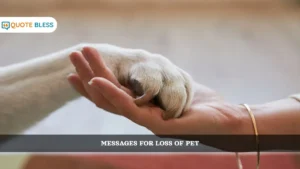
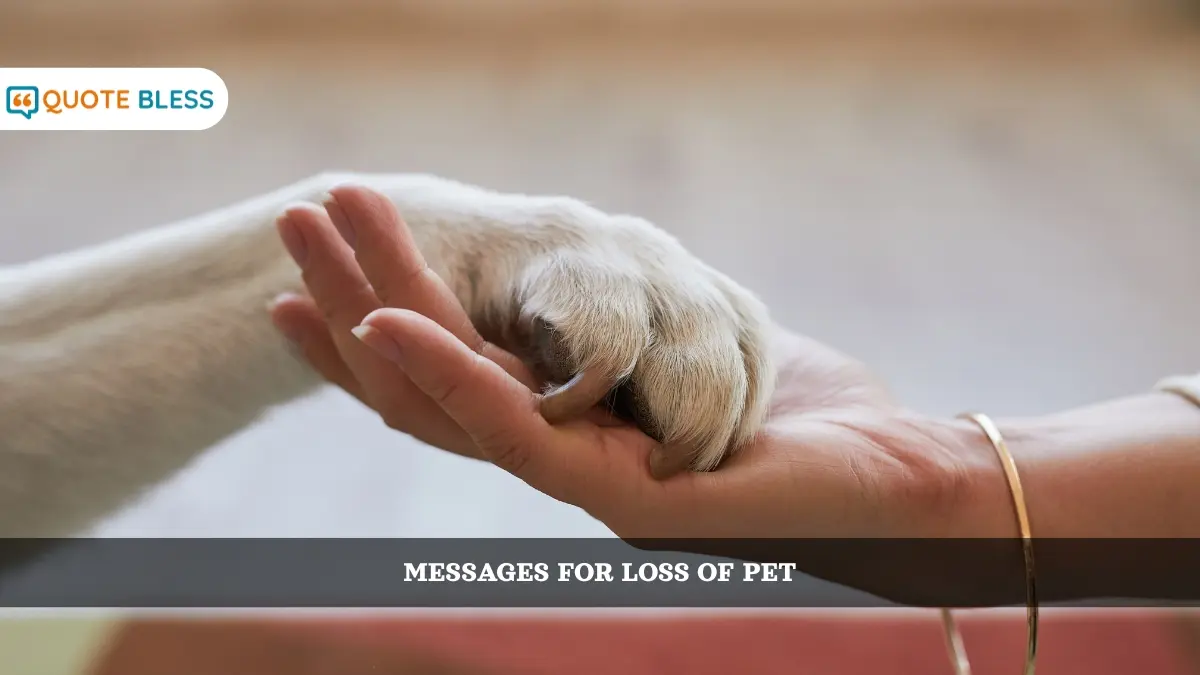
Losing a pet is a specific type of heartbreak that often gets overlooked by society. When a friend loses a human relative, the social scripts are written for us. When they lose a dog or cat, we freeze. We worry about sounding dramatic or saying something dismissive like “it was just a dog.”
The truth is simple: grief is grief. Your friend lost a family member, a daily routine, and a source of unconditional love all at once. They do not need you to fix it. They just need you to witness it.
This guide helps you navigate the awkward silence. Whether you need a quick text for a grieving pet owner or a thoughtful message for a card, we have the right words to validate their pain without making it worse.
📑 Navigate the Grieving Process
Short Sympathy Messages for Loss of Pet (For Text & Social)
You usually find out about the loss through a social media post or a group text. Speed matters here. You want to acknowledge the loss immediately so they do not feel isolated. Keep it low-pressure. They likely do not have the energy to reply, so a simple text saying you are thinking of them is enough.

Why This Works: These messages work because they demand nothing. When someone is in the early stages of grief, even a “how are you?” can feel like a heavy question. By adding phrases like “no need to reply,” you offer support without assigning them homework.
A few days after this initial text, you can follow up with a message saying hope your day goes well to show you haven’t forgotten them.

What to Write in a Sympathy Card for a Dog or Cat (Formal Scripts)
A physical card carries more weight than a text. It is something they can keep and look back on when the initial shock fades. This is where you can be more specific about the animal’s personality and the owner’s dedication. If you knew the pet well, include a specific memory. If you didn’t, focus on the love the owner gave them.
Why This Works: These scripts validate the depth of the relationship. Often, pet owners feel silly for grieving “an animal” this deeply. By using language that mirrors paragraphs for your best friend, you confirm that the pet was a legitimate family member. You are telling them: Your grief is real, and I see it.

Specific Condolences: Tailoring Your Message to the Pet
Generic condolences are fine, but specific ones hit harder. A dog has a different energy than a cat, and acknowledging that specific energy shows you are paying attention.
Tributes for the Loss of a Loyal Dog
Tributes for the Loss of a Beloved Cat
Why This Works: Specificity signals empathy. Acknowledging the “tapping paws” or the “sunbeam” proves you understand the specific void left in their daily routine. It moves the message from a generic obligation to a personal connection.

Social Protocol: What NOT to Say (The “At Least” Trap)
This is the most critical part of Lane C: avoiding the social blunder. When we are uncomfortable with sadness, we try to “fix” it with positivity. In the world of pet loss, this is toxic. Avoid sentences that start with “At least.”
- Avoid: “At least he isn’t in pain anymore.” (While true, it minimizes their current pain).
- Avoid: “Are you going to get another one?” (This implies the pet is a replaceable object like a toaster).
- Avoid: “It was just a cat.” (This is a friendship-ending statement).
- Avoid: “He lived a long life.” (It never feels long enough to the owner).
- Avoid: “You can always adopt a rescue.” (Not the time for logistics).
What to Say Instead:
Instead of “At least he isn’t in pain”: Say
Instead of “Get a new one”: Say
Instead of “It was just a cat”: Say
Instead of “He lived a long life”: Say
Why This Works: Grief requires validation, not logic. When you offer logic (“he was old”), you are trying to bypass the emotion. If you have already made a mistake and said something clumsy, don’t panic.
Check out our guide on how to respond to I’m sorry to navigate the apology and get the conversation back on a supportive track.
Being There When the Dust Settles
The hardest part of pet loss often happens two weeks later. The sympathy texts stop, but the house is still quiet. The food bowl is gone, but the routine of filling it remains in the muscle memory.
This is your moment to stand out as a true friend. Set a reminder in your phone for two weeks from now. Send a text that says: “Thinking of you and [Pet’s Name] today. How are you holding up?”
You don’t need to write a poem. You just need to show up. Grief is a long road, but they don’t have to walk it alone.
The “What Not to Say” Cheat Sheet
Should I send flowers for a pet passing?
Yes, flowers or a small succulent are appropriate. However, a donation to a local animal shelter in the pet’s name is often appreciated even more.
Is it okay to mention the pet’s name?
Absolutely. Many people are afraid to say the name because they think it will remind the owner of the loss. The owner has not forgotten. Hearing the name validates that the pet existed and mattered.
How long should I wait to ask if they are getting a new pet?
Wait until they bring it up. Some people get a new pet immediately to fill the void; others wait years. Let them lead this conversation entirely.
What if I didn’t like the pet?
You are mourning the owner’s loss, not the animal. Even if the dog barked at you or the cat scratched you, your friend loved them. Focus your message on your friend’s pain, not your relationship with the pet.
Can I send a digital card instead of a physical one?
For a pet, a digital card or a thoughtful text is perfectly acceptable. However, if the owner is older or particularly sentimental, a physical card is a classier touch that honors the weight of the situation.