We have all received that email. The one that starts with “Per my last email” or ends with a strangely ominous “Thanks in advance.” It looks professional on the surface, but the subtext screams hostility. Navigating corporate speak is a survival skill in the modern workplace. You need to know when someone is genuinely asking for an update and when they are quietly questioning your competence.
This guide acts as your official translator and defense strategy. We break down what those passive aggressive phrases actually mean and provide you with the exact scripts to respond. You can set boundaries, neutralize conflict, and maintain your professionalism without letting rude coworkers ruin your day.
📑 Navigation: From Translation to Response
Red Flags: How to Identify Passive Aggressive Emails Instantly
Identifying passive aggression is the first step to neutralizing it. These emails often disguise themselves as helpful reminders or standard check-ins, but the tone feels slightly off. You might notice excessive cc’ing, backhanded compliments, or a sudden shift to overly formal language. Similar to learning how to respond to dry texts, spotting the lack of genuine warmth is key to understanding the sender’s intent.

- Just circling back on this
- Per my last email
- As previously discussed
- Not sure if you saw my last note
- Moving forward
- Please advise
- Thanks in advance
- Friendly reminder
- I was under the impression
- Correct me if I am wrong
- Just to clarify
- Cc’ing [Boss’s Name] for visibility
- Thought I would bump this to the top of your inbox
- Any updates on this?
- Let’s take a step back
Vibe Check: The danger here lies in plausible deniability. The sender uses professional language to mask their frustration, making you look like the aggressor if you call them out. Recognizing these red flags allows you to detach emotionally. You realize this is not about your work performance but rather their inability to communicate directly.
The Corporate Speak Decoder: Translating “Per My Last Email” & More
Sometimes you need validation that you are not imagining the shade. Corporate speak is a language of its own, designed to deliver insults with a smile. We have translated the most common phrases so you know exactly what is being said between the lines. This is your reality check for the inbox.
- Per my last email: I already answered this and you are annoying me.
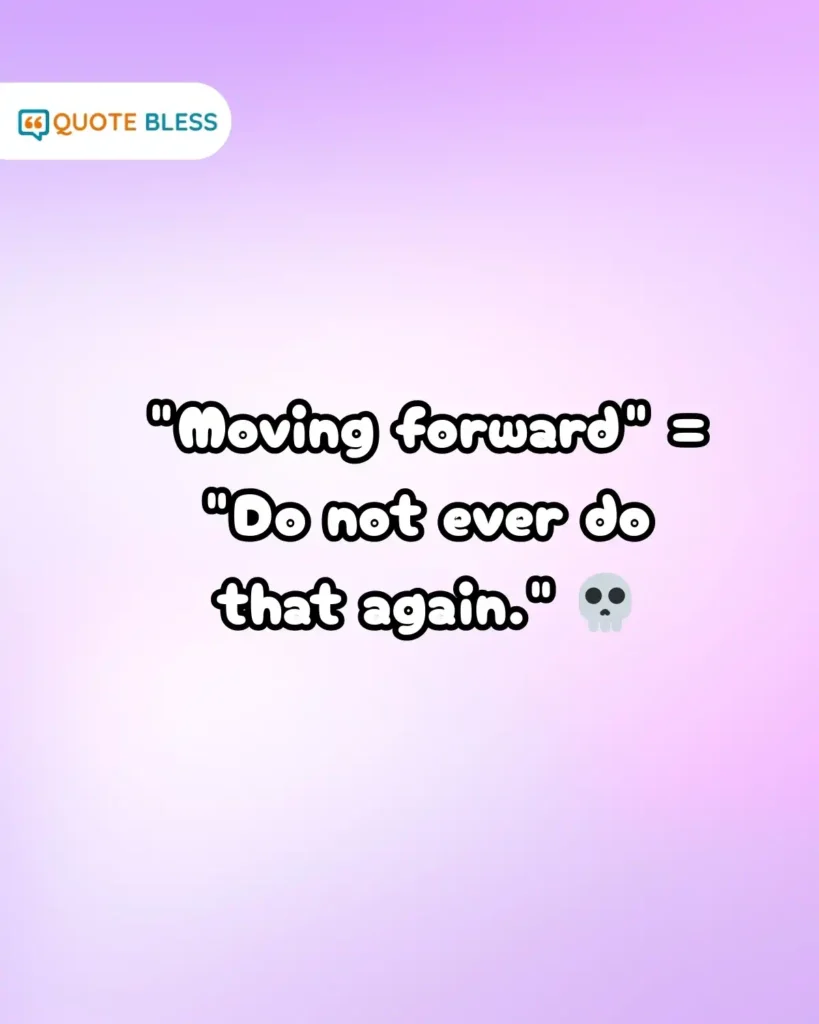
- Moving forward: Do not ever do that again.
- As per my previous email: Can you read?
- I was under the impression: You promised this and you failed.
- Friendly reminder: This is not friendly and I am impatient.
- Correct me if I am wrong: I am definitely not wrong and you are.
- Cc’ing [Boss] for visibility: I am telling on you.
- Please advise: Fix this mess you made.
- Let me know if you have any questions: Stop wasting my time and just do it.
- Thanks in advance: You have no choice but to do this.
- With all due respect: I have zero respect for this idea.
- Just checking in: Why haven’t you done the thing yet?
- To be clear: You are confused and I am frustrated.
- Great: This is acceptable but I am not impressed.
- Interesting approach: That is a terrible idea.
Why It Matters: Understanding the subtext prevents gaslighting. When you know “moving forward” actually means “stop messing up,” you can address the root issue without getting tangled in the emotional warfare. It helps you stay grounded and objective.

Professional Clapbacks: How to Respond to Rude Emails Without Getting Fired
You cannot fight fire with fire in a corporate setting, or you will burn your own career down. The goal is to be firm, direct, and unshakeable. You want to mirror the professionalism of professional replies to good morning emails while asserting your stance. These scripts help you hold your ground without crossing the line into insubordination.
Vibe Check: These responses work because they remove the emotion. You are not apologizing (unless necessary), and you are not counter-attacking. You are simply stating facts and boundaries. This forces the passive aggressive person to either drop the attitude or become explicitly rude, which exposes them, not you.
The High Road: Scripts for Conflict De-Escalation in the Workplace
Sometimes the smartest move is to kill them with kindness or neutrality. De-escalation scripts are vital when tensions are high and you just need to get the job done. If the other person realizes they went too far and apologizes, knowing how to respond to I’m sorry professionally is the next step. Until then, use these phrases to lower the temperature.
Why It Works: These phrases validate the sender without conceding defeat. By acknowledging their input or “passion,” you reframe the conflict as collaboration. It makes it very difficult for them to continue being snippy without looking unreasonable to everyone else on the thread.

Power Dynamics: Handling a Passive Aggressive Boss vs. Coworker
The stakes change depending on who is sending the email. You can be firmer with a peer, but a boss requires more nuance to protect your job security. Regardless of the hierarchy, you want to maintain a reputation for reliability, similar to how you would craft a thoughtful reply to work anniversary wishes. Here are scripts tailored for different power dynamics.
To a Boss
To a Coworker
To a Subordinate
Vibe Check: With a boss, the strategy is “clarification and prioritization.” You put the ball back in their court by asking for guidance, which forces them to lead rather than snipe. With a coworker, you can be more vigilant about boundaries and process. In both cases, the goal is to professionalize the interaction.
Action Plan: De-Escalating Workplace Conflict
Dealing with passive aggressive emails is draining, but it does not have to derail your career. The key is to remain the calmest person in the (digital) room. Never reply immediately when you are angry. Draft your response, take a walk, and then edit it to remove any emotional language. Keep your receipts, save the emails, and always assume positive intent until proven otherwise. By using the scripts above, you turn a toxic inbox into a manageable workflow.
Situation Room: Specific Email Scenarios
What if they deny being passive aggressive?
If you confront them and they say “I was just asking,” drop it immediately. Pivot back to work. Say, “Glad to hear it. Let’s focus on the deliverables then.” Do not get drawn into a debate about their tone; you have already made your point by asking.
How do I handle a “Reply All” shaming?
If someone tries to correct you in front of the whole company, reply only to them if it is a minor correction. If you need to clear your name publicly, keep it brief and factual. “Thanks for catching that. The corrected file is attached here. [Link].” Do not apologize profusely or get defensive.
What if the passive aggression continues after I address it?
At this point, it becomes a pattern of behavior. Start documenting every instance. Keep a folder of the emails. If it impacts your ability to do your job, you may need to escalate it to HR or your manager, using your documentation as evidence of a toxic workflow bottleneck.
How do I transition back to normal talk after a fight?
Once the conflict is resolved, it can be awkward. Break the ice with low-stakes small talk. If they ask how things are going later, use standard responses to how was your day to signal that you are over it and ready to move on.
Is it ever okay to be passive aggressive back?
Rarely. It might feel good in the moment, but it gives them ammunition to use against you. It also erodes your reputation as a professional. The best revenge is remaining completely unbothered and highly competent.