It happens when you are finally relaxing. The phone buzzes on the table. You glance at the preview, and your stomach drops.
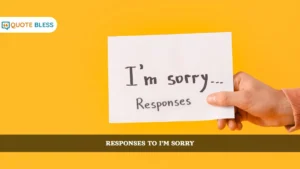
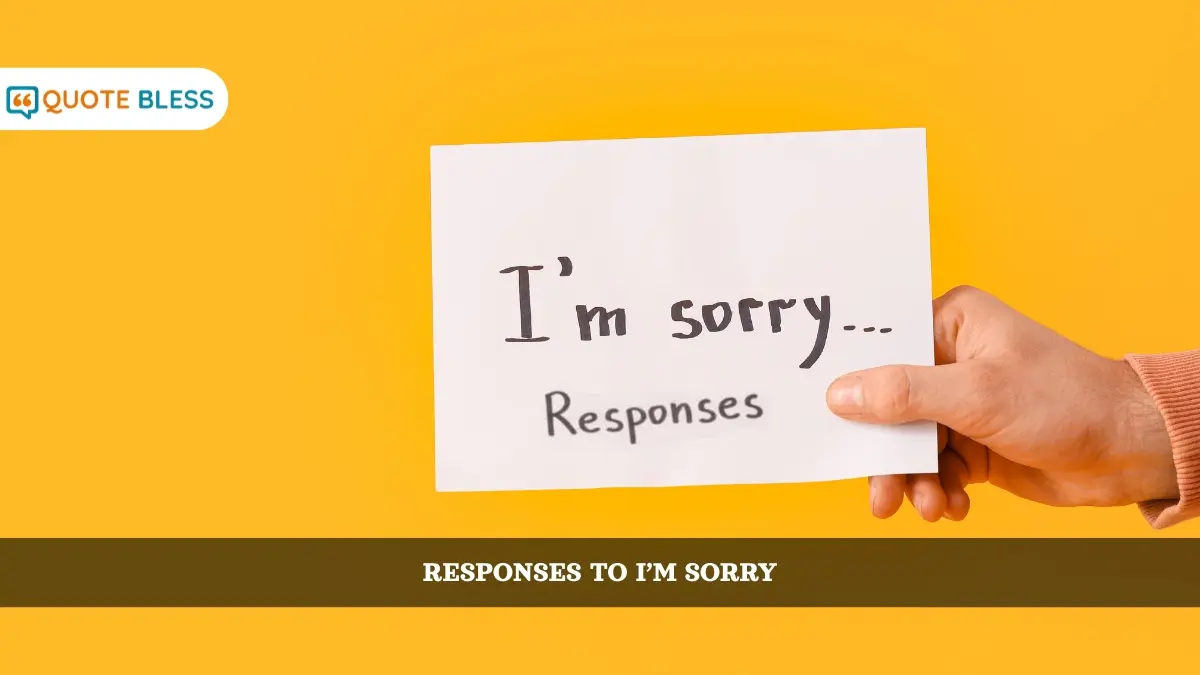
“I’m sorry.”
Suddenly, you are the judge, jury, and executioner. The power dynamic has shifted. Do you let them off the hook instantly with a polite “it’s okay”? Do you leave them on read to let them sweat it out? Or do you need to explain exactly why you are still mad?
An apology isn’t just a polite gesture; it is a Relationship Audit. It forces you to decide right now if this person deserves a second chance, a strict boundary, or silence. Whether you are dealing with a clumsy friend, a regretful ex, or you are currently drafting a heartfelt response to her to try and save the relationship, the way you reply sets the rules for the future.
Here is your strategic guide on how to respond to “I’m sorry,” categorized by how much (or how little) you want to forgive them.
📑 I’m Sorry Responses Menu
The “It’s Okay” Alternatives: Short Texts for Quick Forgiveness
Sometimes the mistake is minor. Maybe they showed up ten minutes late or forgot to grab your coffee order. In these cases, you are just looking for short responses to sorry that acknowledge the apology without making it a big deal. It’s similar to acknowledging a friend’s gratitude where you want to be polite without overdoing it.
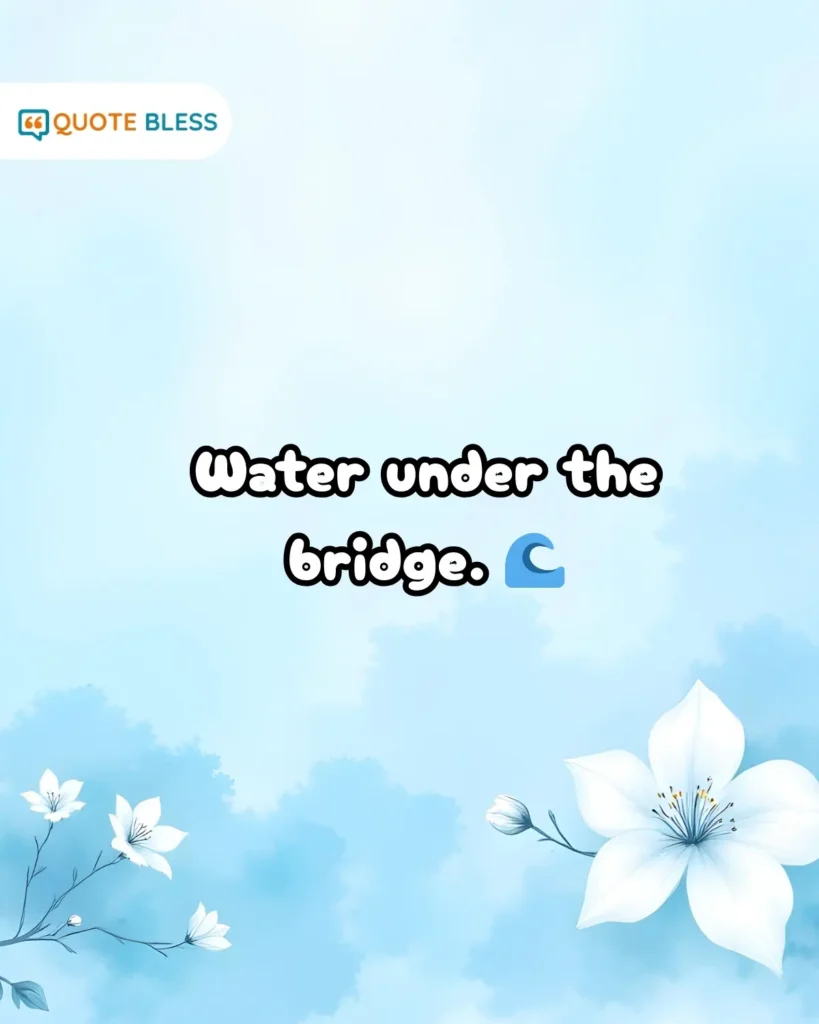
Vibe Check: These scripts work perfectly for accepting apology text scenarios where the relationship is secure. By using phrases like “It happens” or “Water under the bridge,” you signal that the error was not significant enough to cause lasting damage.
Witty & Funny Responses to “I’m Sorry” (To Break the Tension)
If the apology feels too heavy for the situation, humor is your best tool. Many people search for funny responses to i’m sorry because a well-timed joke can instantly dissolve the awkwardness. If you want to keep the energy light, try playful banter styles to diffuse the tension instantly.
Why it Works: Using witty replies to sorry signals safety. When you make a joke, you tell the other person that they are not in “trouble.” It shifts the dynamic from “Accused vs. Judge” to “Friend vs. Friend.” It is the fastest way to return to normal social rhythms.

Setting Boundaries: What to Say When You Are Still Mad (Or Not Ready)
Just because they said sorry doesn’t mean you have to be “over it” instantly. A common struggle is knowing what to say when someone apologizes and you are still mad. You don’t have to jump back into a routine immediately. Just like handling daily check-in texts, you have the right to set the pace of the conversation.
Vibe Check: These scripts are essential for setting boundaries after apology. They protect your peace by validating the other person so they stop explaining themselves while firmly establishing that access to you is restricted until you feel ready.

Sarcastic Comebacks for the “Serial Apologizer”
Some people apologize constantly but never change their behavior. If you need a sarcastic apology response, use the same energy you would when handling dry or boring messages. These responses are sharper and call out the pattern.
Why it Works: Sarcasm acts as a mirror. It forces the other person to realize that their words have lost value breaking the cycle of “Apologize -> Forgive -> Repeat” by introducing social friction. It creates a necessary awkwardness that demands a change in behavior.

Professional Replies to an Apology Email (For Workplace Mistakes)
In a business context, emotions need to take a backseat to solutions. You need to know how to reply to an apology email professionally. Maintain the same professional distance you would use for standard office greetings: polite, brief, and documented.
Vibe Check: These scripts are a standard business response to mistake scenarios. They help you acknowledge apology without accepting responsibility for the error yourself. They show you are a leader who focuses on solutions rather than dwelling on problems.
Deep & Emotional Paragraphs: How to Accept a Sincere Apology
When a partner or close friend offers a genuine, vulnerable apology, a one-word text isn’t enough. You need to match their emotional intensity to repair the bond. If the conversation gets sentimental, you might need scripts for navigating emotional confessions alongside the apology.
Why it Works: These responses use “Emotional Mirroring.” By acknowledging the difficulty of their apology and expressing your own relief, you rebuild the trust bridge instantly. It validates the relationship over the conflict.
The Forgiveness Verdict
Deciding how to accept an apology but not forgive or figuring out how to fully reconnect is really about deciding what you want the future of the relationship to look like. You can use humor to keep it light, boundaries to protect your peace, or professionalism to keep your career on track.
If you are ready to fully reconnect, send a reaffirming message to him to show that you are truly moving forward.
The Apology Crisis Center
What if I am still mad after they apologize?
It is completely normal to still feel angry. An apology acknowledges the mistake, but it doesn’t erase the emotion. Respond by acknowledging the apology but stating clearly that you need time. Use the “Setting Boundaries” scripts above to buy yourself the time you need to cool down without guilt.
How do I respond if they keep apologizing for the same thing?
If the behavior isn’t changing, the apology is just a manipulation tactic. Stop accepting it politely. Switch to the “Sarcastic Comebacks” or a firm boundary response: “I accept your apology, but I need to see changed behavior because this keeps happening.”
Should I text back or call?
Match the medium. If they texted a quick “sorry,” a text back is fine. If they sent a long, emotional paragraph or left a voicemail, a text reply can feel dismissive. In deep emotional situations, a phone call or a face-to-face conversation is always better for ensuring the conflict is truly resolved.
What if my boss apologizes for a mistake?
Always keep it professional. Never say “It’s okay” if it actually caused a major issue. Instead, say “Thank you for the update” or “Understood, let’s focus on the solution.” This acknowledges the apology without taking the blame or sounding unprofessional.